Copyright 2020 - 2021 irantour.tours all right reserved
Designed by Behsazanhost
The Ultimate Iran Travel Guide: Top Tourist Cities for Foreign Visitors
If you are planning to travel to Iran, welcome to one of the most fascinating and authentic tourist destinations in the world! Iran is not just a name on a map; it is a safe country with a millennia-old history, breathtaking architecture, numerous UNESCO World Heritage sites, and people who are globally renowned for their legendary hospitality.
Many foreign tourists ask one crucial question before their trip: “Which cities should I visit in Iran?”
To experience a perfect and well-organized trip, the best tourist cities in Iran are categorized into 3 main, highly attractive routes:
1. The Classic Route (The Golden Triangle)
Featuring Tehran, Kashan, Isfahan, Yazd, and Shiraz. As the most popular choice for first-time visitors, this route enchants you with the most beautiful historical monuments and eye-catching architecture. You will explore magnificent Safavid palaces in Isfahan, lush Persian gardens and the majestic ruins of Persepolis in Shiraz, as well as ancient historical mansions and Zoroastrian fire temples in Yazd.
2. The Silk Road & Ancient Capitals
Including Tabriz, Zanjan, Qazvin, and Hamedan. Designed for ancient history enthusiasts and admirers of mysterious architecture, this path allows you to visit famous historical caravanserais and literally walk in the footsteps of the legendary explorer, Marco Polo.
3. The Ancient Heritage Trail (Wonders of the South)
Covering Khuzestan province (Shush, Shushtar, Ahvaz) and Kerman. This trail showcases the deepest roots of human civilization, featuring remarkable monuments like the impressive Shush Castle and the awe-inspiring historical hydraulic system of Shushtar. Moreover, in Kerman, you will be mesmerized by the surreal Kaluts of the Lut Desert (Shahdad) and step inside the magnificent Bam Citadel (Arg-e Bam), the world’s largest mud-brick fortress.
In this comprehensive travel guide, we have prepared a complete roadmap for you. Below, we will carefully explore the most important historical sights (both ticketed and free), transportation options, traditional boutique hotels, and local experiences in each city, helping you plan your itinerary flawlessly. Join us on this unforgettable adventure!

1. Tehran: The Pulse of Modern and Ancient Iran
As the bustling capital, Tehran is a city of fascinating contrasts where ancient history and modern lifestyle blend perfectly. It is worth noting that the vast majority of comprehensive Iran tours both begin and conclude in this dynamic metropolis, making it your ultimate gateway to the Persian empire.
Must-See Historical Sites (Paid Entrance)
The National Museum of Iran: Iran’s most important museum is a Journey Through 40,000 Years of Antiquity, offering an unparalleled chronological exhibition of the country’s rich historical evolution.
Golestan Palace: A great complex of royal palaces (UNESCO - The Masterpiece of the Qajar Era), lush gardens, and mirror-work halls that showcase the artistic zenith of the Qajar dynasty.
Treasury of National Jewels: A mind-blowing vault housing an immense volume of raw and uncut precious stones, the Pahlavi royal crowns, and the famous Darya-ye Noor diamond. It is the World’s Most Dazzling Collection.
Saadabad and Niavaran Complexes: The royal palaces and residences of the Pahlavi family, beautifully situated in northern Tehran near the Alborz foothills, offering a highly pleasant climate.
Reza Abbasi Museum: A superbly curated, multi-level museum in the heart of Tehran, displaying exquisite Persian calligraphy, paintings, and metalwork. It is a Hidden Gem of Art and History
The Glassware & Ceramic Museum: Housed in an elegant 20th-century mansion, this museum presents an incredibly beautifully displayed collection of ancient pottery and fragile glassware.
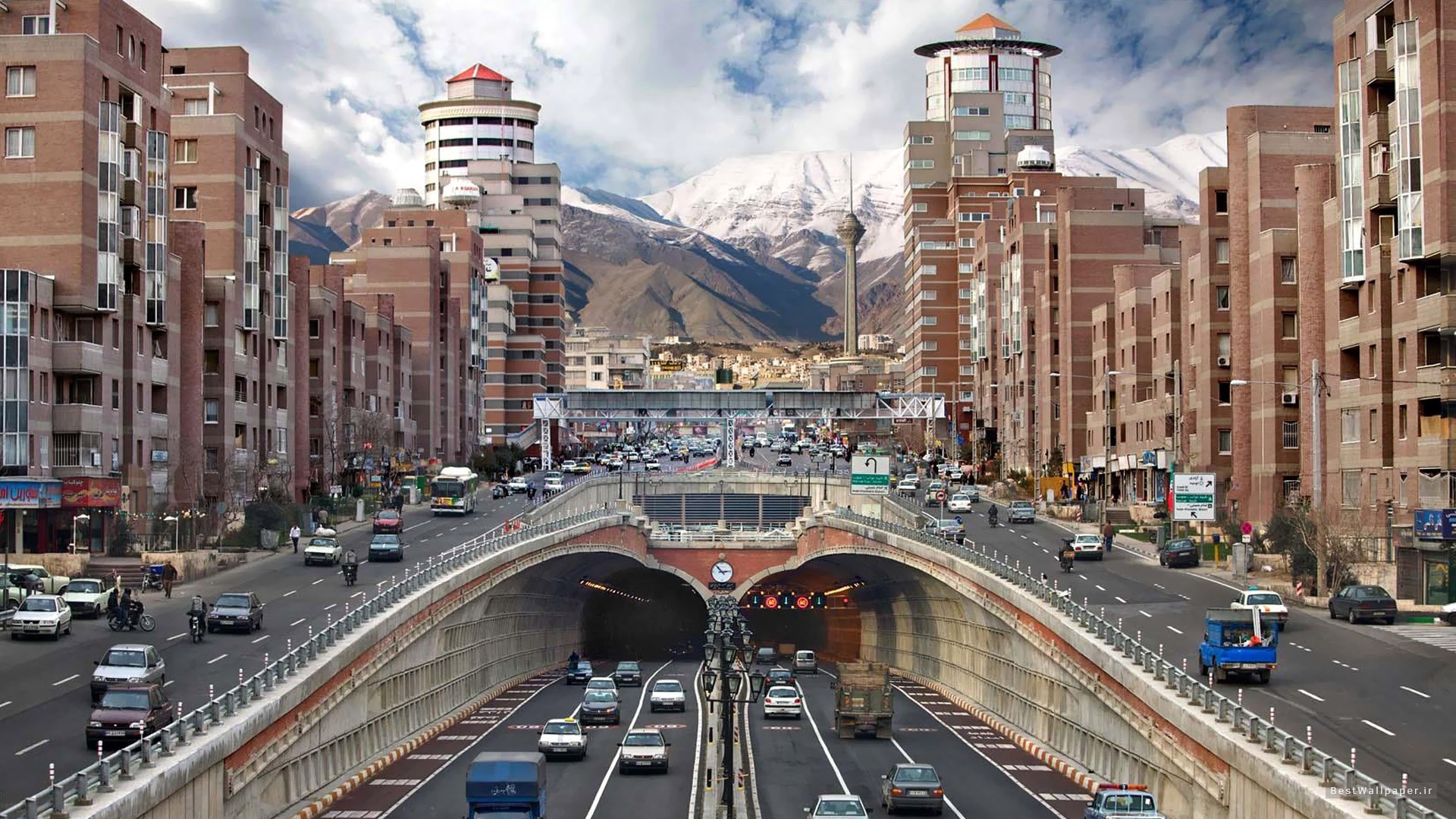
Wander for Free
Azadi Tower (The Iconic Symbol of Iranian Modernism): A striking, inverted-Y shaped monument that blends Sassanid, Islamic, and modern architectural elements.
Milad Tower (The Tallest Tower in Iran): A soaring telecommunication tower dominating the city’s skyline, offering magnificent opportunities for photography enthusiasts to capture the panoramic cityscape of Tehran.
Tabiat Bridge (The Ultimate Sunset Viewpoint): An award-winning, multi-level pedestrian bridge connecting two green parks. It is the perfect spot for watching the sunset, chatting with friendly locals, and truly experiencing the renowned warmth of Iranian hospitality.
Darband (The Mountainous Retreat): One of the best recreational areas in northern Tehran. A lively, scenic pathway filled with cafes, perfect for mingling with welcoming locals and vibrant youth.
Tehran Grand Bazaar (A Labyrinth of History and Commerce): Lose yourself in the bustling, twisted alleys of this historic market and soak in the true essence of traditional Tehran.
The Local Experience
To truly feel the city’s heartbeat, head to the mountainous trails of Darband or Darakeh in the late afternoon. Here, you can enjoy the natural beauty, drink tea by the river, and easily strike up conversations with the welcoming local youth. Alternatively, take an evening stroll across the Tabiat Bridge; it is the perfect spot to mingle with families and directly touch the famous warmth of Iranian hospitality.
Where to stay
Ferdowsi Grand Hotel: For unrivaled proximity to Tehran’s historical downtown, this excellent 4-star hotel is your best choice. It places you within walking distance of the National Museum, Golestan Palace, and the Grand Bazaar.

2. Kashan: The Desert Pearl of Art and Antiquity
Leaving the bustling capital behind, you will arrive at a city of history, culture, beauty, and tranquility named Kashan. Boasting a 7500 up to 8500 year-old heritage left by the ancient Sialk civilization, this mesmerizing city completely enchants and astounds every traveler with its lesser-known, hidden beauties. This desert oasis is truly a living museum of authentic Persian architecture, the heavenly scent of pure rosewater, and exquisite textiles.
Must-See Historical Sites
Fin Garden (UNESCO - The Jewel of Persian Gardens): Internationally renowned as the most important and visually stunning historical garden in Iran, it captivates visitors with its symmetrical water channels, turquoise pools, and centuries-old cedar trees.
Historical Mansions (The Masterpieces of Desert Architecture): Kashan is home to the most beautiful traditional houses in Iran. Tabatabaei House and Borujerdi House are absolute must-visits, showcasing unique stucco work, exquisite stained-glass windows, and ingenious windcatchers (Badgirs).
Agha Bozorg Mosque (The Masterpiece of Symmetrical Architecture): Known as the only double-courtyard mosque in Iran, this stunning brick complex offers a deeply serene atmosphere and beautiful sunken courtyard design. (Entry is sometimes free during the low season).
Sialk Hills (A Glimpse into the Dawn of Civilization): Stand on the remains of an ancient ziggurat and explore one of the world’s oldest human settlements, dating back over 7500 years.
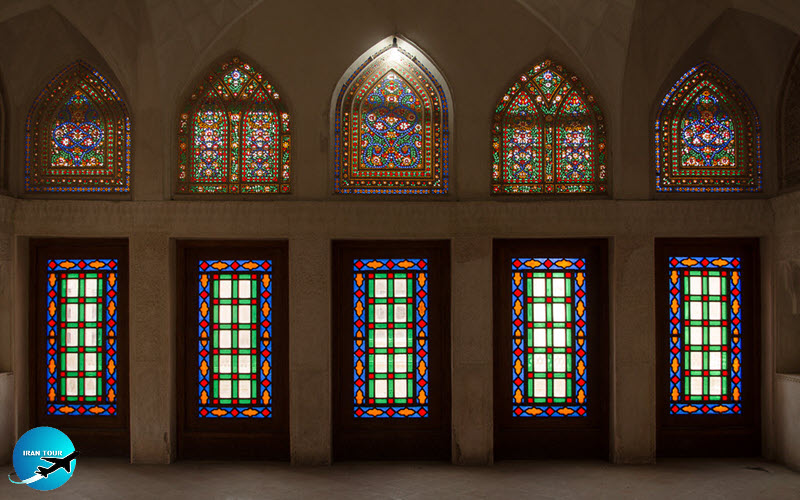
Wander for Free
Kashan Grand Bazaar & Timcheh Amin al-Dowleh (A Masterpiece of Brick and Art): Wander through one of Iran’s most beautiful covered bazaars, globally famous for its exquisite, hand-woven carpets. Do not miss the amazing Timcheh Amin al-Dowleh, a mesmerizing historical with a magnificent, intricately decorated domed ceiling.
The Local Experience & Souvenirs
The Fragrance of Rosewater and Local Delights: Kashan’s rosewater (Golab) holds international fame. Stroll through the local shops to experience its heavenly scent, and be sure to treat yourself to Kashan’s traditional Baklava and wonderful local sweets—an experience you simply cannot skip.
Unforgettable Stays
Interesting Boutique Hotels: Unlike standard hotels, accommodation in Kashan is an unforgettable experience in itself. Many magnificent historical houses have been flawlessly restored and converted into ultra-luxurious boutique hotels. Staying in one of these nice courtyard mansions (such as Saraye Ameriha or Manouchehri House) will transport you straight into a real-life Arabian Nights tale.

3- Isfahan: The Museum City and Half of the World
Prepare to be amazed by Isfahan, Iran’s most important and famous historical city, renowned as “Nesf-e-Jahan” (Half of the World), the “Museum City,” and the “Florence of Iran.” Isfahan is a living proof to the genius of Iranian art and architecture. Every corner of it, from mosques with turquoise domes to ancient bridges and lively bazaars, tells a story of magnificence. This city is not just a travel destination; it is an immersion into the heart of Iran’s golden era.
Must-See Historical Sites (Ticket Required)
Naqsh-e Jahan Square (UNESCO - The Beating Heart of the Safavid Empire): One of the largest and most beautiful city squares in the world, and the absolute beating heart of Isfahan. It is surrounded by a collection of the most exquisite Safavid monuments, such as the Shah (Imam) Mosque, Sheikh Lotfollah Mosque, Ali Qapu Palace, and the magnificent Qeysarieh Gate. To truly appreciate its grandeur, you must know that this square has a two-story structure: the ground floor is lined with lively handicraft shops and workshops, while the upper floor features beautiful arcades and balconies adorned with authentic Iranian art. Historically, some of these balconies had a ceremonial purpose for special events, while others were designed purely to complete the square’s beauty.
Imam Mosque: A masterpiece of grandeur, renowned for its magnificent entrance portal, majestic dome, and unique acoustic properties.
Sheikh Lotfollah Mosque: The royal sanctuary of the Safavid court and the only historical mosque in Iran built without minarets. This intimate and spiritual masterpiece features breathtaking, exquisite tilework beneath its cream-colored dome.
Ali Qapu Palace: The grand entrance to the royal palaces and the tallest Safavid building, boasting 6 floors. From its elevated terrace, the palace offers a unique panoramic view of the square. It also features a remarkable “Music Room” with delicate hollow stucco decorations designed to create perfect acoustics.
Chehel Sotoun Palace (UNESCO): A stunning royal pavilion set within a serene classic Persian garden, serving as the ceremonial palace for official banquets hosted by Shah Abbas and other Safavid kings. Its Great Hall is decorated with magnificent frescoes depicting historical battles and lavish court feasts.
Jameh Mosque of Isfahan (UNESCO - A Museum of Iranian-Islamic Architecture): One of the oldest mosques in Iran and a true masterpiece. It is a living museum showcasing over 1400 years of architectural evolution, with sections built in different eras, each reflecting its own unique style.
Vank Cathedral (The Heart of the Armenian Quarter): Located in Isfahan’s charming Armenian district of Jolfa, this is one of the most beautiful churches in Iran, seamlessly blending Iranian and Christian architectural styles. While its exterior is quite simple, the interior is lavishly covered with stunning frescoes of biblical stories. The cathedral’s fascinating independent museum is another highlight of this complex.
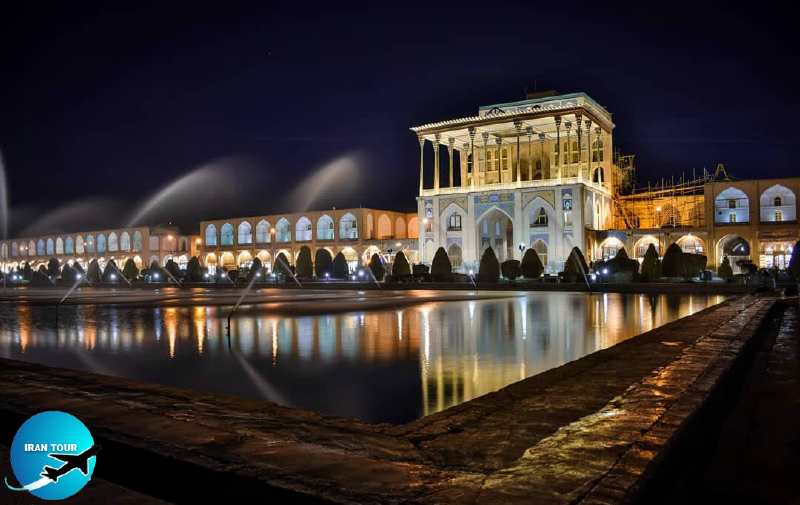
Free Exploration & The Vibe
Naqsh-e Jahan Square at Sunset: As the sun sets, the square takes on an entirely different atmosphere. The golden light illuminates the mosques’ domes, and the space fills with local families, strolling couples, and the soft, rhythmic echo of horses’ hooves on the cobblestones. The traditional carriages circling the square beautifully revive the nostalgic and authentic feel of horseback riding in ancient times. This is the perfect time for genuine conversations with the warm and friendly locals.
Zayandeh Rud Banks & Historical Bridges (Si-o-Se-Pol and Khaju): Walking along the banks of the Zayandeh Rud River and across its historical bridges is one of the most delightful and exciting free activities in Isfahan. At dusk, listen to the enchanting songs of locals singing under the arches of Khaju Bridge, or enjoy a lively walk along the riverbank while marveling at the architectural wonder of Si-o-Se-Pol with its 33 arches.
Alleys of the Grand Bazaar: Wander through the winding pathways of the historical Qeysarieh Bazaar extending from Naqsh-e Jahan. Follow the scent of spices and the sound of coppersmiths’ hammers to discover hidden caravanserais and cozy, free-to-enter mosques like the Hakim Mosque.
Local Experience & Souvenirs
Art & Handicraft Workshops: Isfahan is the true home of Iranian handicrafts. Stroll through the bazaar to watch artisans delicately creating world-renowned arts: Ghalamkar (hand-printed fabrics with various motifs), Mina-kari (enamel work), Khatam-kari (marquetry), and stunning miniatures. Witnessing the birth of these arts is a pure experience in itself.
Isfahani Delicacies: You cannot leave Isfahan without trying Beryani, the city’s delicious and authentic traditional dish. For a sweet souvenir, make sure to buy some Gaz (a traditional Persian nougat filled with pistachios or almonds).
Unforgettable Stays
From Safavid Mansions to Luxurious Hotels: Isfahan offers an exceptional range of accommodations. For a truly authentic experience, stay in a restored Safavid-era mansion or caravanserai that now operates as a luxury boutique hotel (such as Ghasr Monshi Hotel or Kianpour Historical House). Alternatively, you can surrender to the legendary grandeur of the Abbasi Hotel, a historical caravanserai transformed into one of the most beautiful hotels in Iran.
The Road Ahead
Toward Desert Cities or the Poetic South: Isfahan is an excellent transportation hub for continuing your journey. From here, comfortable VIP buses or domestic flights can take you east towards the magical desert cities of Ardestan, Ardakan, Meybod, and Yazd, or guide you south to Shiraz, the city of poetry and gardens.

4. Yazd: The Bride of the Desert and City of Coexistence
As we journey further south from Isfahan, we arrive at Yazd, the world’s first adobe city (a UNESCO World Heritage site) beautifully known as the “Bride of the Desert.” Yazd is a masterpiece of human ingenuity thriving in a harsh desert landscape, characterized by its soaring windcatchers (Badgirs) and maze-like alleyways. Above all, this historical city is the most beautiful symbol of the peaceful coexistence of different religions in Iran, where Muslims, Jews, and Zoroastrians have lived in harmony for centuries.
Must-See Historical Sites (Ticket Required)
Jameh Mosque of Yazd: Boasting the tallest minarets in Iran and mesmerizing geometric tilework, this mosque is the architectural heart of the city. Strikingly, its location right next to a Jewish synagogue beautifully illustrates the deep-rooted respect and religious coexistence in Yazd.
Zoroastrian Fire Temple & Museum: Yazd is the spiritual home of Iran’s Zoroastrian community. Here, you can witness a sacred fire that has been burning continuously for over 1500 years. The adjacent museum offers an invaluable opportunity to deeply understand their ancient culture, rituals, and traditions.
Yazd Water Museum: Located in a stunning historical mansion, this fascinating museum reveals the ancient genius of Qanats (underground aqueducts) and how locals historically extracted life-giving water from the depths of the dry desert.
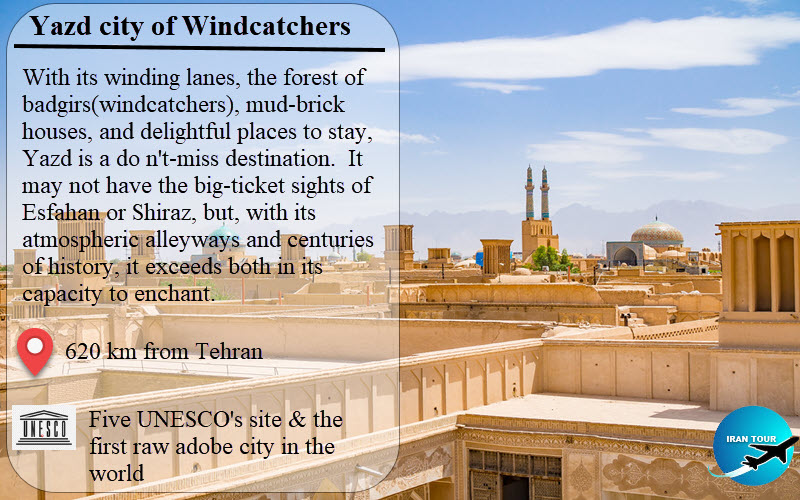
Free Exploration & The Vibe
Wandering in Fahadan & Historical Houses: The most essential way to understand the soul of Yazd is to get lost in the winding alleys of the ancient Fahadan neighborhood, surrounded by high mud-brick walls. Many of the old, aristocratic houses here are free to enter; having been transformed into charming cafes and boutique hotels, they invite you to freely explore their enchanting courtyards.
Amir Chakhmaq Square & The Ancient City Walls: Standing before the spectacular facade of Amir Chakhmaq Square (the city’s main square) is an interesting experience, especially when illuminated at night. Additionally, taking a walk alongside the remnants of the ancient city walls near Fahadan effortlessly transports you back in time.
Yazd Traditional Bazaar: With its vaulted alleyways and old authentic workshops, the city’s historical bazaar guides every traveler deep into the rich history of Yazd.
Local Experience & Souvenirs
The Unique Taste of Yazdi Coffee: One of the most exceptional local experiences is trying Qahveh Yazdi (Yazdi Coffee). Slowly brewed for hours and infused with cardamom, rose water, and crystal rock candy, it offers a distinct, rich flavor that you simply cannot find anywhere else in the world.
Sweet Delights and Termeh: Yazd is an absolute paradise for lovers of traditional Persian sweets (such as Qottab, Baklava, and Pashmak). For a lasting souvenir, look for Termeh, a luxurious and exquisitely handwoven Persian cloth.
Unforgettable Stays
Sleeping in a Piece of History: Accommodation in Yazd is an attraction in itself. Some of the most beautiful old mud-brick houses—complete with central courtyards, turquoise pools, and private windcatchers—have been meticulously transformed into stunning boutique hotels. Staying in these heritage spaces guarantees a truly unique and unforgettable experience.

5. Shiraz: The Cultural Capital, City of Legendary Gardens and the Achaemenid Empire
Emerging from the desert, we arrive at the lush paradise of southern Iran: Shiraz. This is the city of legendary Persian gardens and the magnificent monuments of the legendary Achaemenid Empire, beautifully adorned with nature and the deeply moving verses of great Iranian poets like Hafez. Strolling through this city—especially in spring when the intoxicating scent of orange blossoms (Bahar Narenj) fills every alleyway—feels like walking inside a sweet, romantic dream. Above all, Shiraz and its famously warm-hearted people will captivate you and soothe your soul.breathtaking.

Must-See Historical Sites (Ticket Required)
Persepolis & Naqsh-e Rostam: Just a short drive from the city lies a gateway to a time machine. Walking among the colossal pillars of Persepolis, the majestic ceremonial capital of the Achaemenid Empire dating back over 2500 years, breathes life into the unrivaled glory of ancient Persia right before your eyes.
Nasir al-Mulk Mosque (The Pink Mosque): Waking up early to visit this mosque is an absolute must. As the first rays of the morning sun shine through the traditional stained-glass Orosi windows, a magical and vibrant carpet of colorful light is cast upon the floor and pillars of the prayer hall, mesmerizing every onlooker.
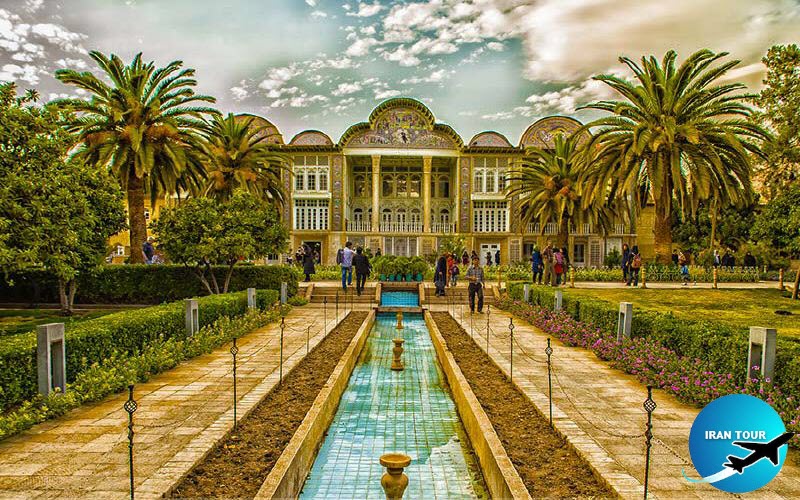
Eram Garden: This is the most beautiful and famous garden in Shiraz, officially registered as a UNESCO World Heritage site under “The Persian Garden.” Walking along its flowing water channels, surrounded by towering Persian cypresses and spectacular floral arrangements, presents one of the most dreamy natural landscapes you will ever see.
Arg of Karim Khan (Karim Khan Citadel): This magnificent brick fortress is one of the rare historical citadels in Iran located right in the heart of the urban fabric. Its massive walls and watchtowers are grand relics from the Zand dynasty, when Shiraz served as the glorious capital.
Atigh Jameh Mosque & Zinat al-Mulk House: Exploring the Atigh Jameh Mosque, the oldest mosque in Shiraz with its unique architecture, alongside the Zinat al-Mulk House—a stunning Qajar mansion famous for its magnificent mirror-work and painted wooden ceilings—perfectly completes your historical journey.
Tomb of Hafez (Hafezieh): The spiritual and romantic beating heart of Shiraz. Visit at sunset to sit in a serene garden surrounded by orange trees, listening to the gentle murmur of locals reciting poetry and playing traditional music.
Free Exploration & The Vibe
Vakil Bazaar & The Daily Rhythm: Getting lost in the maze-like, brick-vaulted alleys of the Vakil Bazaar is a magnificent and entirely free experience. The aroma of fresh spices, the sight of vibrant hand-woven rugs, and the joy of chatting with smiling local shopkeepers seamlessly connect you to the true, living pulse of Shiraz.
The Courtyard of Shah Cheragh: With its stunning turquoise dome, this shrine is one of Iran’s most significant religious sites. Walking through its vast, illuminated courtyard at night offers the perfect, peaceful opportunity to deeply understand the spiritual reverence and religious beliefs of the local people.
Local Experience & Souvenirs
The Refreshing Taste of Faloodeh Shirazi: No trip to Shiraz is complete without tasting Faloodeh, an icy, traditional desert that feels like a miracle on a sunny day! For a main dish, you must try the local specialty, Kalam Polo.
Khatam Kari & Herbal Extracts: The perfect keepsakes from Shiraz are the delicately crafted Khatam Kari (Persian marquetry) and small bottles of pure herbal distillates, such as rose water and orange blossom extract.
Unforgettable Stays
From Luxury Hotels to Heritage Boutique Hotels: Shiraz offers a wide range of accommodations, from modern 5-star hotels to budget-friendly 2-star options. However, choosing to stay in one of the city’s traditional boutique hotels—meticulously crafted within historical mansions—will be a thrilling part of your journey that you will never forget. Enjoying a traditional Persian breakfast by a courtyard pool decorated with floating rose petals guarantees a truly magical stay.
The Silk Road & Ancient Capitals
A Journey Through Time, From Qazvin to Tabriz
This route is an invitation to step onto one of the most important cultural and trade highways of the ancient world: the legendary Silk Road. Starting just a short distance from the modern capital, this journey will take you through the ancient capitals of Iran across different historical eras. Along this fascinating path, we will pass through brick-vaulted caravanserais, busy historical bazaars, magnificent mosques, and impressive architecture. This is a route where the scent of fresh spices, the rhythmic sounds of copper-smiths, and the warm colors of hand-woven Persian rugs become the main narrators of history.
1. Qazvin: The Capital of Calligraphy and a Relic of Safavid Glory
Qazvin is one of Iran’s most charming tourist destinations, located just about 140 kilometers from Tehran, making it incredibly accessible. This beautiful city, which once served as the second capital of the powerful Safavid Empire (after Tabriz), still cradles magnificent relics from that golden era. Widely recognized as the “Calligraphy Capital of Iran” and strategically located near other historical cities like Zanjan and Hamedan, Qazvin is the perfect starting point for exploring the Silk Road. Strolling through this city is a peaceful and delightful journey into the heart of authentic Persian art and architecture.
Must-See Historical Sites (Ticket Required)
Aminiha Hosseiniyeh: Visiting this historical mansion will undoubtedly be one of the highlights of your trip. This magnificent house captivates every visitor with its exceptional traditional Persian decorations, beautifully painted ceilings, and especially its wooden Orosi (stained-glass) windows. The sunlight shining through these colorful glasses creates a truly magical atmosphere.
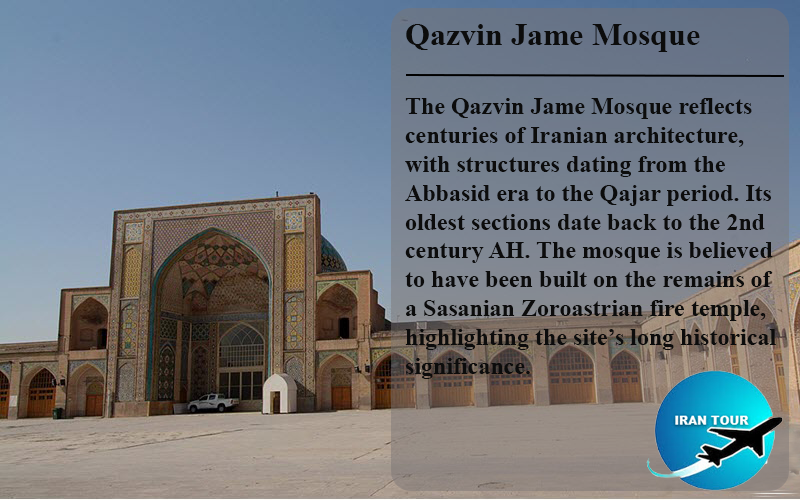
Jameh Mosque of Qazvin (Atigh Mosque): This massive and beautiful mosque is like a living museum of different Iranian historical periods. Its various sections have been built, repaired, and restored throughout history (from the Seljuk to the Safavid and Qajar eras). Its turquoise dome and brick prayer halls offer a unique sense of grandeur and peace.
Chehel Sotoun Palace (Kolah Farangi) & Ali Qapu Portal: These two monuments are the most significant surviving symbols of Qazvin’s time as the Safavid capital. The Kolah Farangi mansion, featuring delicate miniature wall paintings, sits gracefully in the middle of a lush garden, while the imposing Ali Qapu Portal once served as the grand entrance to the royal Safavid complex.
Free Exploration & The Vibe
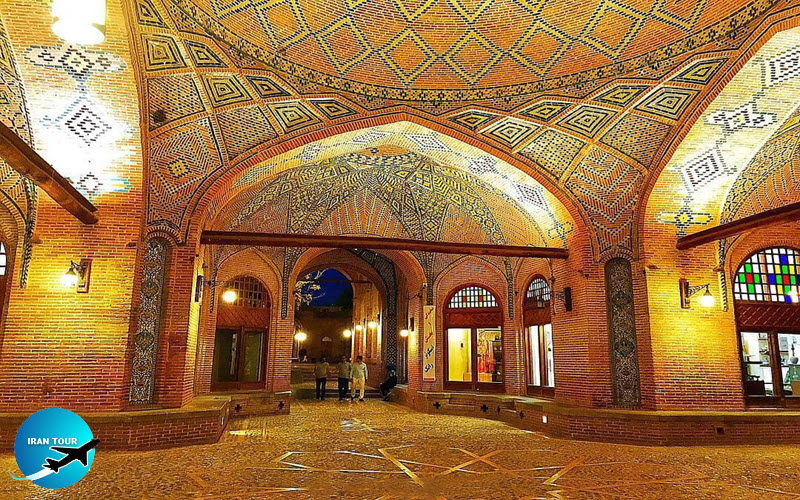
The Historical Bazaar & Sa’d al-Saltaneh: Walking through the beautiful, vaulted brick corridors of Qazvin’s traditional bazaar is an experience you simply cannot miss. Here, you can easily strike up a conversation with the warm-hearted and kind locals, experiencing genuine Iranian hospitality firsthand. (Exploring the Sa’d al-Saltaneh caravanserai—a breathtaking, fully roofed brick complex within the bazaar—is completely free and incredibly enjoyable).
The Old City Gates: In the past, Qazvin was protected by multiple gates. Today, the Darb-e Koushk and the Old Tehran Gate—both elegant relics of Qajar-era architecture—still stand tall. Admiring their intricate tilework at sunset is a wonderful free activity.
Local Experience & Souvenirs
Qazvin’s traditional sweets, especially its famous colorful Baklava, are renowned throughout Iran. For lunch, you absolutely must try Gheymeh Nesar, a royal and aromatic local dish made of rice, fresh meat, and a colorful topping of sliced almonds, pistachios, and barberries. Its taste is unforgettable.
A Cozy and Comfortable Stay
Although Qazvin may not have as massive a number of hotels as some larger tourist hubs, there is absolutely no need to worry! The city offers a good selection of standard hotels and cozy traditional guesthouses where you can enjoy a very comfortable and pleasant stay, fully resting up for the rest of your adventure along the Silk Road.

2. Zanjan: From Mongol Masterpieces to Salt Mysteries on the Silk Road
Welcome to Zanjan! A historical city with refreshing mountainous weather that serves as a fascinating stop along the ancient Silk Road. Zanjan is a city of wonders—from the turquoise dome of the Mongol Sultan (Öljaitü) to ancient mummies and the rhythmic sound of copper-smiths echoing through the bazaar alleys. With its warm-hearted, Turkic-speaking locals, this city offers an unparalleled blend of history, exquisite craftsmanship, and ancient secrets.
Must-See Historical Sites (Ticket Required)
The Dome of Soltaniyeh (UNESCO World Heritage): Located a short drive from the city center, this is the absolute crown jewel of your visit. A masterpiece of Ilkhanid architecture, it boasts the largest brick dome in the world and the third-largest overall. The sheer magnitude of this structure, combined with its intricate brickwork and turquoise tiles, fascinates every viewer with the architectural art of the Mongol era in Iran.
Salt Men Museum (Zolfaghari Mansion): Prepare for one of the most amazing and bizarre museums in Iran! This museum houses astonishing natural mummies discovered in recent years within an ancient salt mine. These “Salt Men,” dating back over 2000 years (to the Achaemenid and Sassanid empires), are miraculously preserved with their hair, garments, and even leather boots intact, taking you deep into ancient history.
Rakhtshooy Khaneh (The Traditional Laundry House): This globally unique building was much more than a simple washing place; it was the first safe and exclusive social gathering spot for women in the past. It was a covered, warm, and intimate environment where the women of Zanjan, while doing their daily chores, exchanged news and city stories—much like being in a vibrant, real-life, all-female social network!
Free Exploration & The Vibe
The Traditional Bazaar of Zanjan: Strolling through this local covered bazaar is a completely free and vibrant experience. With its beautiful brick vaults, it is the best place to admire Zanjan’s masterpieces of metal handicrafts. The shops are filled with gleaming copper vessels and a wide variety of handmade knives, which have massive fame all across Iran. Here, you can easily chat with the locals and immerse yourself in the authentic atmosphere of a traditional market.
Local Experience & Souvenirs
As you will see in the bazaar, Zanjan is the undeniable capital of metalwork in Iran. Besides knives and copper, the mesmerizing art of Malileh-kari (delicate silver filigree) is the best souvenir to take home. For a delicious local culinary experience, you absolutely must try Jaghour Baghour—a highly popular, savory traditional street food made with fresh liver—at a cozy local eatery nearby.
A Cozy and Comfortable Stay
Zanjan offers excellent facilities for hosting its guests. From comfortable 4-star hotels in the city center to traditional eco-lodges with charming courtyards, you have a variety of great options for a restful night before continuing your journey full of energy.
3. Tabriz: The Pearl of Northwestern Iran, Safavid Splendor, and Global Masterpieces
Welcome to Tabriz, the shining pearl of northwestern Iran! A city that witnessed the coronation of Shah Ismail and the dawn of the mighty Safavid Empire, rightfully earning its title as Iran’s “City of Firsts.” With its cool, pleasant climate, Tabriz is a magnificent blend of ancient history, beautiful architecture, and the rich culture of Azerbaijan. The noble and hospitable people of this city proudly invite you to explore a heritage that has stood the test of time, from the bustling days of the Silk Road to the present.
Must-See Historical Sites (Ticket Required)
The Blue Mosque (Turquoise of Islam): A marvel from the 15th century (Kara Koyunlu dynasty), this structure is considered a global masterpiece of mosaic mosaic tiles. Despite damage from historical earthquakes, the surviving deep lapis lazuli and turquoise tiles in this Blue Mosque continue to mesmerize every visitor with their enchanting beauty.
Constitution House of Tabriz (Khaneh Mashrouteh): To understand the freedom-loving spirit of this city, visiting this historical house is a must! Once the center of major decisions during the Iranian Constitutional Revolution, it is an outstanding example of Tabriz’s traditional houses. Admiring the Iranian architectural art and decorations, especially its stunning stained-glass windows (Orosi), will truly soothe your soul.
Qajar Museum (Amir Nezam House): During the Qajar era, Tabriz was the residence of the crown prince and the second most important city in Iran. This elegant mansion, featuring charming courtyards, is one of Iran’s most beautiful historical houses, offering a vivid glimpse into the aristocratic lifestyle of that era.
Azerbaijan Museum: Recognized as the second most important archaeological museum in Iran after the National Museum in Tehran, it showcases an exceptional collection of artifacts unearthed from ancient civilizations.
Free Exploration & The Vibe
Grand Historic Bazaar of Tabriz (UNESCO World Heritage): Get ready to explore the largest covered bazaar in Iran and the world! Strolling through this wondrous labyrinth is completely free. It is a miniature city featuring a vast array of workshops, shops, and the famous Tabriz carpet stores. Make sure to visit Timcheh Mozaffarieh to admire the spectacular hand-woven masterpieces.
Maqbaratoshoara (Tomb of Poets): For lovers of Iranian history, poetry, and literature, visiting the complex of this memorial with its unique, modern architecture is a highly inspiring experience. It is the eternal resting place of Master Shahriar and hundreds of other renowned Iranian poets and mystics.
Arg of Tabriz (Arg-e Alishah): Walking around the massive brick walls of this historical citadel, which stands as a symbol of Tabriz’s resilience throughout history, transfers a profound sense of pride and grandeur.
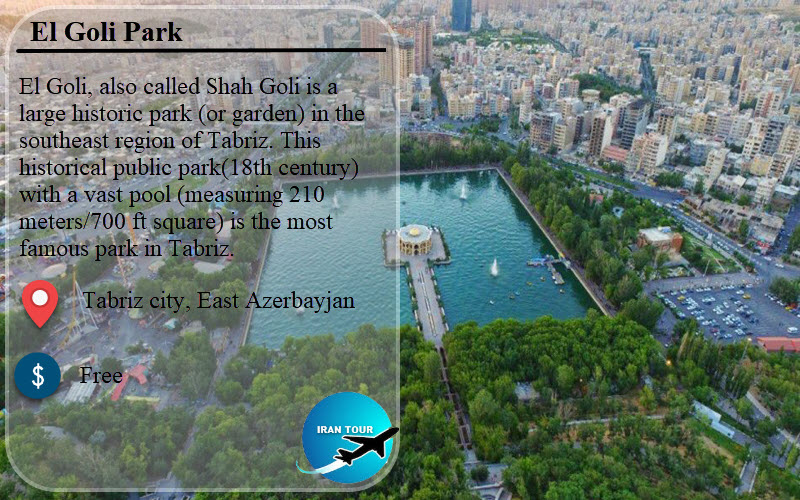
El Goli Park (Shah Goli): The most important and famous resort in Tabriz! Walking around its large, beautiful lake and admiring the old, magnificent pavilion (Koushk) in the center of the water costs nothing. Enjoying the taste of special kebabs and authentic Tabrizi foods around this lively resort is one of the best leisure activities in the city.
Local Experience, Souvenirs & Unforgettable Flavors
Tabriz is the undisputed capital of leather and carpets in Iran. Handmade Tabriz leather shoes are world-renowned. Do not miss the culinary delights; Qurabiya and Nougat pastries make the perfect sweet souvenirs. For lunch, tasting the authentic Kufteh Tabrizi is an experience you will never forget.
A Stay Worthy of Ancient Royals
Tabriz offers flawless accommodations for every taste. From luxurious 5-star international hotels with stunning views to cozy traditional boutique hotels, a dreamy and comfortable stay awaits you.
4. Hamedan: Iran’s Capital of History and Civilization, The Glory of Ancient Ecbatana
Welcome to Hamedan, one of the oldest continuously inhabited cities in the world and the first capital of the Median Empire! Located at the majestic foothills of Mount Alvand, the city of Hamedan was once known by the legendary name of “Ecbatana.” With its cool, mountainous climate during the warmer months, Hamedan is an unparalleled sanctuary for lovers of history and nature. The warm-hearted locals invite you to witness a unique blend of ancient history, science, art, and natural beauty.
Must-See Historical Sites (Ticket Required)
Hegmataneh (Ecbatana) Archaeological Hill & Museum: Walking through this archaeological site is literally stepping on the remnants of Iran’s very first capital. By visiting this vast hill and its rich museum, you can closely feel the grandeur of the millennia-old architecture and urban planning of the Median and Achaemenid empires.
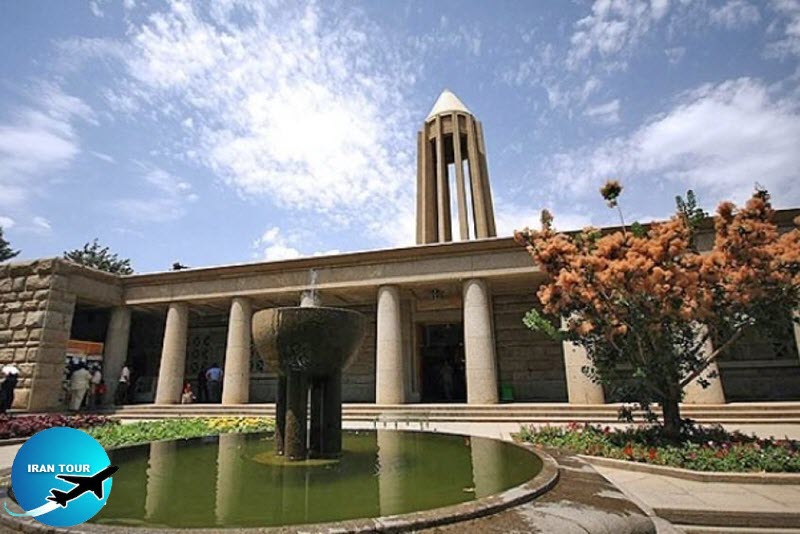
Tomb of Avicenna (Bu Ali Sina): The iconic symbol of Hamedan pays tribute to the world-renowned Iranian physician, philosopher, and great scholar. Its eye-catching architecture, inspired by the historical Gonbad-e Qabus tower, features 121 towering pillars symbolizing his mastery over 12 fields of knowledge.
Ganjnameh Ancient Inscriptions: A journey into the heart of history embraced by nature! Carved into the rocks of Mount Alvand by the order of Achaemenid kings Darius and Xerxes, these stone inscriptions narrate the glory of the ancient empire in three different languages. The beautiful Ganjnameh waterfall nearby adds a refreshing touch to this visit.
Tomb of Baba Taher: Set within a lush and tranquil garden, the turquoise, octagonal dome marks the resting place of one of Iran’s most beloved mystic poets. Reading his delicate couplets inscribed on the interior walls will truly soothe your soul.
Free Exploration & The Vibe
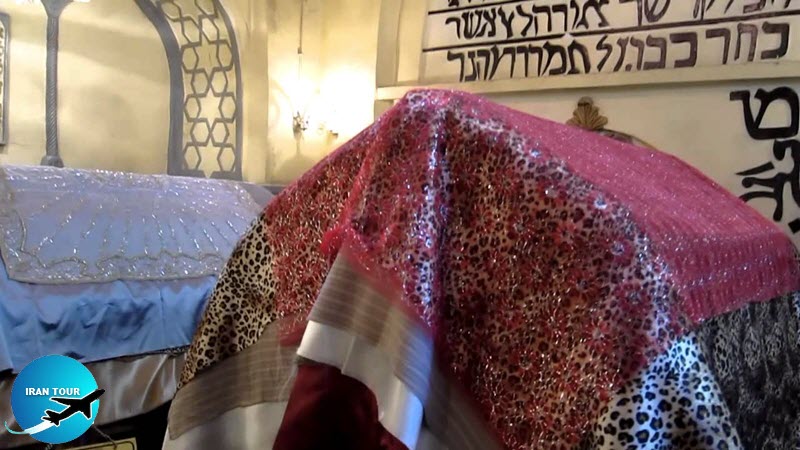
Tomb of Esther and Mordechai: Just a short walk from the central square, you will find a modest yet profoundly historic stone building. Recognized as the most important Jewish pilgrimage site in Iran, this sacred and peaceful shrine is believed to house the remains of the biblical Queen Esther and her uncle Mordechai. Visiting this sanctuary offers a beautiful glimpse into the deep, multicultural heritage of ancient Persia.
Imam Square & Traditional Bazaar: Hamedan’s urban layout is quite unique. The central square (Imam Square), designed by German architects, features a radial pattern with six main avenues branching out from it. Taking a walk in this beautiful square and wandering into the traditional, covered bazaar to discover the daily life of the locals is a completely free and delightful experience.
Local Experience, Souvenirs & Unforgettable Flavors
Just a short drive from Hamedan lies Lalejin, the undisputed world capital of pottery. Buying beautiful clay and ceramic crafts with stunning designs and colors makes for the perfect souvenir. Do not miss Hamedan’s unique flavors; tasting the traditional Komaj pastry with freshly brewed tea, or trying the variety of local hearty soups (Ash) and traditional stews (Abgoosht) in the cool weather will double the joy of your trip.
A Stay Worthy of Ancient Royals
Hamedan offers a diverse range of accommodation options. From modern and luxurious 4-star and 5-star hotels in prime locations to cozy, traditional eco-lodges in the surrounding mountainous villages, a peaceful and pleasant night awaits you.
The Ancient Heritage Trail (Wonders of the South)
Covering Khuzestan province (Shush, Shushtar, Ahvaz) and Kerman, showcasing the deepest ancient civilizations and the diverse nature of Iran.
1. Shush & Shushtar: The Beating Heart of Ancient Civilizations & Engineering Marvels
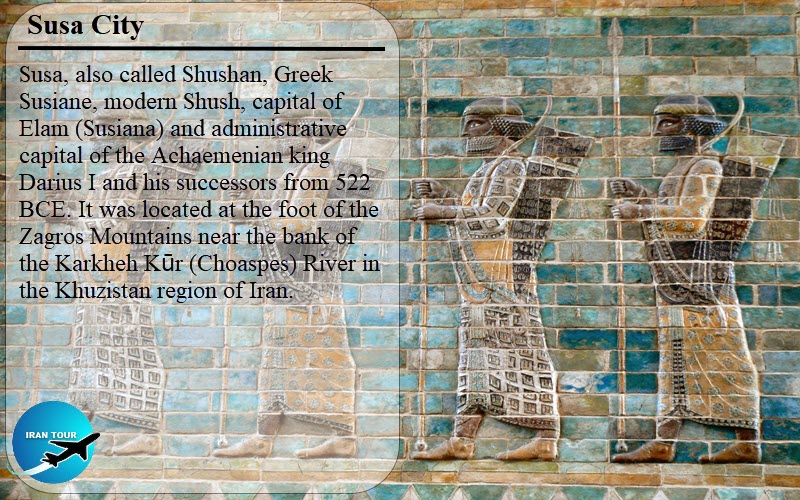
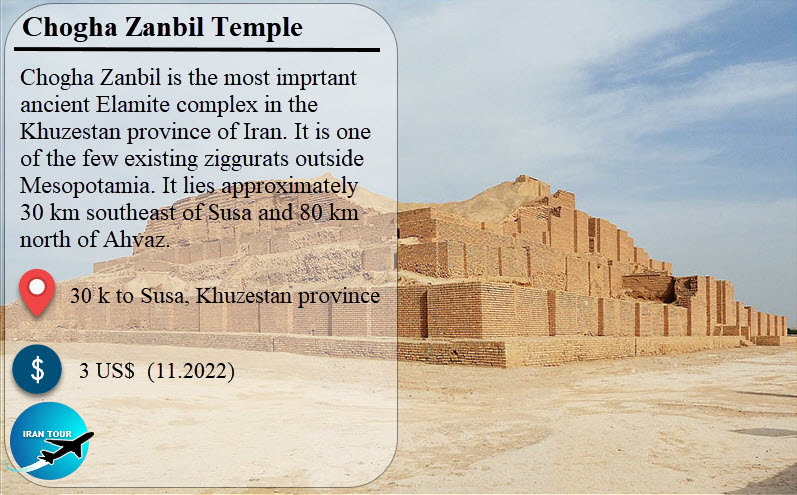
Welcome to Khuzestan, the cradle of ancient civilizations and Iran’s warmest host! Visiting the two ancient cities of Susa (Shush) and Shushtar is an immersive, 1-day adventure into the deepest layers of history. Here, before continuing your journey toward the grandeur of Persepolis in Shiraz, you will encounter the engineering genius of our ancestors and the remnants of the great Elamite, Achaemenid, and Sassanid empires. The beautiful palm groves and the warm smiles of the southern people will make this historical tour an unforgettable memory.
Journey into the Depths of History (Ticket Required)
Apadana Palace (Palace of Darius the Great): The remains of the Achaemenid kings’ winter palace in Shush, with its massive column bases and ruins of magnificent halls, vividly portray the grandeur of one of the ancient world’s largest empires.
The French Castle (Shush Castle): An eye-catching brick fortress built in the late 1919th century by French archaeologists. Interestingly, it was constructed using historical bricks recovered from the Apadana Palace and the Chogha Zanbil Ziggurat, serving as a base and safe house for their archaeological finds.
Shush Museum: A unique treasury that introduces you to the evolution of civilization in the Khuzestan plain. The artifacts displayed here narrate thousands of years of art and life in this region.
Shushtar Historical Hydraulic System: A masterpiece of water engineering from the Sassanid era, recognized by UNESCO as a “masterpiece of creative genius.” This astonishing complex of watermills, waterfalls, canals, and hand-dug tunnels demonstrates a perfect harmony between humanity and nature.
City Vibes & Free Exploration
Tomb of Daniel & the Shaur River: The unique, pinecone-shaped, stepped dome of the Tomb of Daniel (the biblical prophet) is the architectural symbol of Shush. Walking through the peaceful courtyard of this shrine and watching the calm flow of the ancient Shaur River nearby will grant you a profound sense of tranquility.
Historical Bridges of Shushtar: Viewing the remains of Shushtar’s ancient weirs and bridges (such as Band-e Kaisar), which once controlled the roaring water routes, provides a fantastic opportunity for photography and a deeper understanding of the ancient irrigation systems.
Southern Flavors & Resting Before the Next Journey
Exploring Shush and Shushtar is typically a full 1-day itinerary. During your tour, make sure to taste the unparalleled flavor of fresh southern dates, rich Arabic coffee, and local dishes seasoned with unique, spicy southern herbs. After this incredibly rewarding experience, you will be perfectly ready to hit the road toward Fars province and the beautiful city of Shiraz.
2. Kerman: A Wondrous Intersection of Desert, Stars, and History
Welcome to Kerman, the gateway to the world’s most mysterious deserts and a crucial hub on the ancient trade routes (the Spice Route)! Kerman is a land of stunning contrasts, where the endless arid desert is embraced by lush green gardens and magnificent adobe architecture. Spending peaceful desert nights under a tent of countless stars, alongside witnessing glorious Safavid architecture and experiencing the warm hospitality of the locals, will imprint a profound and distinct memory of Iran in your heart.
Architectural & Historical Marvels (Ticket Required)
Shazdeh Mahan Garden: A true miracle amidst the dry desert! Registered as a UNESCO World Heritage site, this terraced garden with its lush trees, flowing fountains, and beautiful Qajar-era pavilion shines like a verdant paradise in the heart of the vast desert, refreshing your very soul.
Ganjali Khan Historical Complex: Located in the heart of Kerman, this massive complex is a magnificent relic from the rule of Ganjali Khan. This architectural masterpiece comprises a square, a caravanserai, a mosque, a mint, a school, and a water cistern, all originally built for charitable purposes in the city. Today, the Ganjali Khan Complex holds special importance as one of the ultimate hallmarks of Kerman’s unique architecture.
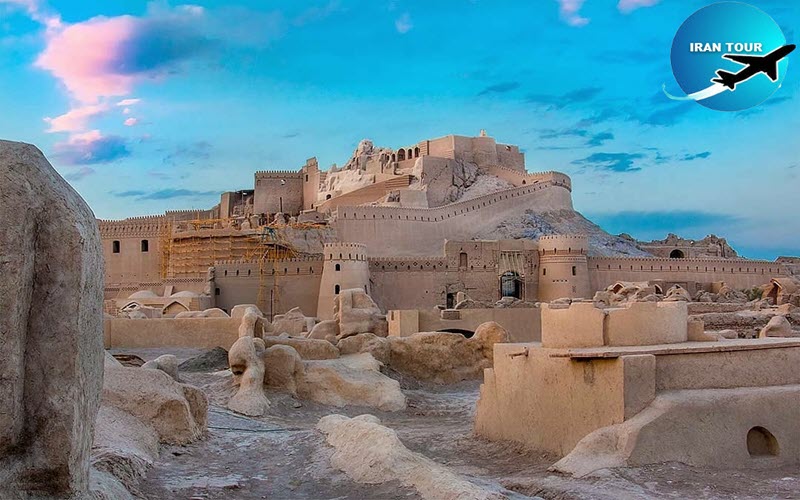
Arg-e Bam (Bam Citadel): A trip to Kerman is incomplete without seeing the largest adobe structure in the world. Located on the Silk Road, this massive, ancient citadel has been gloriously restored after the earthquake, standing before your eyes like a mythical fortress. (If short on time, the majestic Arg-e Rayen is a fantastic alternative closer to Kerman city).
Free Exploration & The Magic of Desert Nature
Kerman Grand Bazaar: Strolling through one of the longest covered bazaars in Iran is a completely free and enchanting experience. The vaulted brick ceilings, the scent of fresh spices, and especially the rhythmic sound of hammering in the “Coppersmiths’ Alley” (Bazaar-e Mesgarha) will transport you back in time.
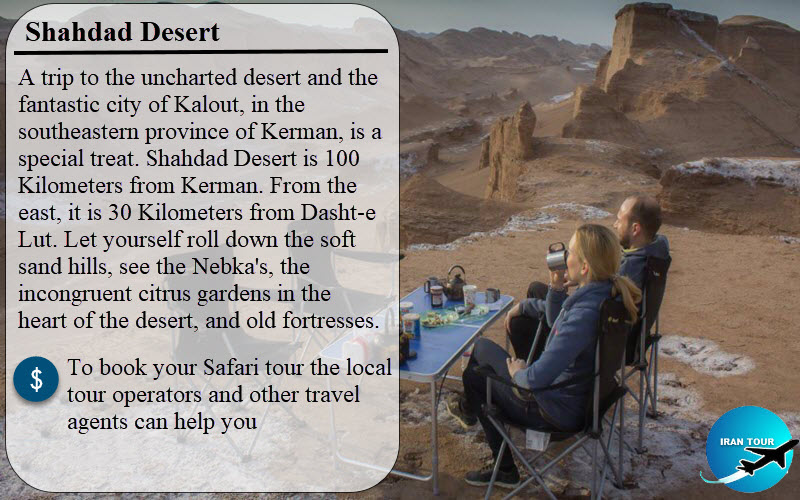
Magical Sunsets & Starry Nights at Shahdad Kaluts (Lut Desert): Visiting the Lut Desert (Iran’s first UNESCO Natural World Heritage site) is an unparalleled adventure. The Kaluts are giant sandcastles carved by wind and water, resembling a phantom city in the heart of the desert. Watching the sunset and spending the night under the boundless, star-studded sky of Shahdad desert is a moment you will never forget.
Timeless Souvenirs & Authentic Desert Flavors
Kerman is the capital of cumin, pistachios, and dates in Iran. You must try the traditional Kolompeh pastry (a heavenly blend of minced dates, walnuts, and fragrant spices baked with animal fat) and the energetic herbal powder called Qavut. For souvenirs, Kerman’s unique handicrafts, namely Pateh (colorful traditional needlework on wool) and brilliantly crafted copper vessels, are the finest choices.
A Stay Woven into History and the Desert
You have exciting accommodation options in Kerman. From modern 4-star and 5-star hotels and traditional boutique hotels in the city center to desert eco-lodges in the Shahdad region that offer you the chance to sleep under the mesmerizing, starry roof of the desert.
Frequently Asked Questions
1. What is the best itinerary for a first-time visitor to Iran? The “Classic Route” is highly recommended, covering 55 major cities: Tehran, Kashan, Isfahan, Yazd, and Shiraz. This path features Iran’s most iconic palaces, gardens, and ancient ruins.
2. Where can I stay in traditional Iranian houses instead of modern hotels? Cities like Kashan, Yazd, and Shiraz offer magnificent historical courtyard mansions and adobe houses that have been flawlessly restored into luxurious, authentic boutique hotels.
3. Which city should I visit to see the ruins of the ancient Persian Empire? You should visit Shiraz to explore Persepolis and Naqsh-e Rostam, which showcase colossal pillars and majestic ceremonial capitals dating back over 25002500 years.
4. What are the best traditional souvenirs to buy during this trip? You can buy world-renowned handmade carpets in Tabriz, copper crafts and filigree in Zanjan, Termeh textiles in Yazd, and delicate Khatam-kari (marquetry) in Isfahan.
5. Are there any UNESCO World Heritage sites I can visit? Yes, the routes include numerous UNESCO sites, such as Golestan Palace in Tehran, Naqsh-e Jahan Square in Isfahan, the historic city of Yazd, and the Dome of Soltaniyeh in Zanjan.
6. Which destination is best for experiencing the desert and starry nights? Kerman is your ultimate gateway to the desert, where you can explore the surreal Kaluts of the Lut Desert and spend the night in an eco-lodge under a star-studded sky.
7. What local foods and traditional sweets should I try? Do not miss Beryani in Isfahan, Kalam Polo and Faloodeh in Shiraz, and traditional treats like Kashan’s rosewater Baklava or the unique cardamom-infused Qahveh Yazdi (Yazdi coffee).
- Details
- Category: Where to go in IRAN