Copyright 2020 - 2021 irantour.tours all right reserved
Designed by Behsazanhost
What to Eat in Iran: A City-by-City Food Guide for Travelers
From the moment you catch the aroma of sizzling kebabs and freshly ground, steeped saffron—elegantly mixed with and poured over fluffy white rice for flavor and garnish—your culinary adventure truly begins. Iranian cuisine is recognized as one of the world’s oldest and richest food cultures, offering a perfect balance of fresh ingredients and aromatic spices. If you are wondering what to eat in Iran, here is a quick list of must-try dishes:
1- Top Persian Foods at a Glance:
Kabab Koobideh: The authentic Iranian minced meat skewer.
Abgoosht (Dizi): A hearty and soul-warming lamb and chickpea stew.
Gheymeh Nesar: The formal and elegant Persian jeweled rice.
Baghali Ghatogh: Dill and fava bean stew (Perfect for vegetarians/vegans).
Ash Reshteh: A thick, rich Persian noodle and herb soup (Vegan-friendly).
2- The Magic of Persian Cuisine: A Perfect Balance
The secret to Iranian food lies in patience and premium ingredients. At the heart of this tradition is saffron, granting a brilliant golden hue and unforgettable fragrance to the dishes. Chefs masterfully balance mild spices, slow-cooking meals over low heat. Because of this harmony, Persian food is loved worldwide. It is never overwhelmingly spicy, relies on familiar fresh ingredients, and every bite is perfectly cooked and deeply comforting.
3- Essential Sidekicks: Persian Drinks and Breads
No Persian meal is complete without its traditional companions.
3.1- What to Drink
You absolutely must try Doogh, often playfully called the “Iranian Coca-Cola”! It is a savory, minty yogurt-based drink that works wonders for digestion and pairs flawlessly with kebabs. Afterward, a freshly brewed cup of Persian black tea is an absolute necessity.
3.2- The Breads
Iranians love their fresh bread. You will frequently encounter Sangak (baked on hot stones and a superb choice with kebab), along with Barbari, Lavash, and Taftoon. (Stay tuned for our upcoming dedicated article to explore the fascinating world of Persian breads!)
4- Iran’s National Treasures: Loved Everywhere
Kabab Koobideh: The true signature of Iranian cuisine! Made from a blend of minced lamb and beef with mild spices, grilled on wide skewers, and served with saffron rice and grilled tomatoes.
Kabab Barg: A luxurious, tender fillet of lamb or beef marinated in onion juice and saffron that melts in your mouth.
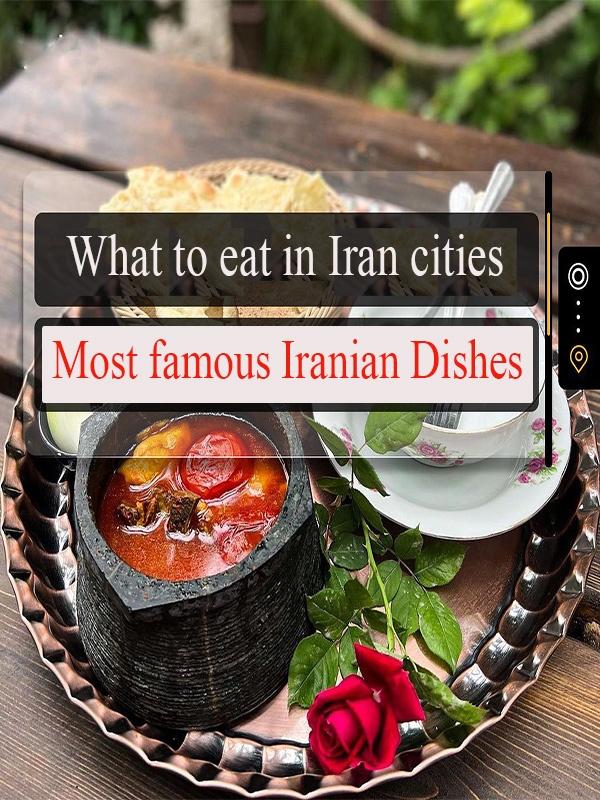
Abgoosht or Dizi: A pure cultural experience! A rich stew served in stone pots. First, you eat the broth with pieces of torn bread (Tilit), and then you mash the remaining meat and beans into a delicious paste (Goosht Koobideh).
Ash Reshteh: A highly flavorful, thick soup made with fresh herbs, legumes, and noodles, topped with crispy fried onions and Kashk (fermented whey). By simply removing the Kashk, it transforms into a perfect, 100%100% vegan dish!
4.1- Rasht: The Culinary Capital
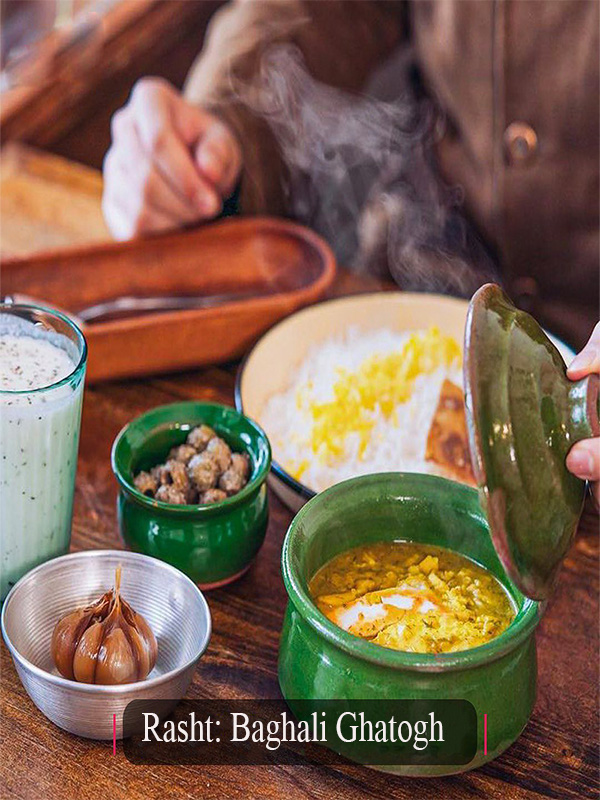
Baghali Ghatogh: A vegetarian delight made with fava beans, fresh dill, and eggs (simply omit the eggs for a fully vegan dish).
Mirza Ghasemi: A combination of smoked eggplant, garlic, tomatoes, and eggs. A smoky, unforgettable masterpiece!
Seafood Delights: Being close to the Caspian Sea, Rasht is a paradise for fish lovers. Tasting various local fish dishes, especially grilled fish, the luxurious grilled Ozoun Boroun (sturgeon), and world-renowned Iranian caviar, is an immensely delightful experience.
4.2- Tabriz: Land of Authentic Flavors
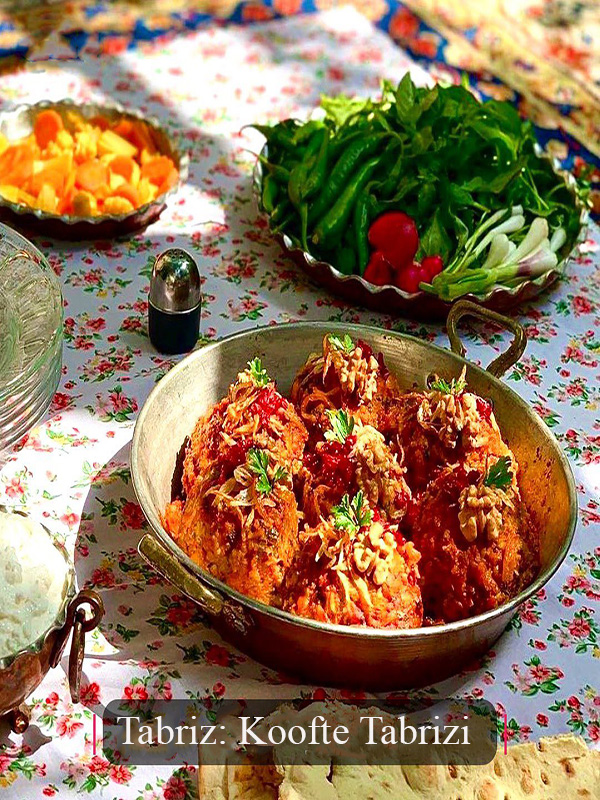
Koofteh Tabrizi: A visual masterpiece! A giant meatball stuffed with plums, walnuts, barberries, and sometimes a hard-boiled egg, slow-cooked in a savory tomato sauce.
4.3- Qazvin: The Taste of Elegance
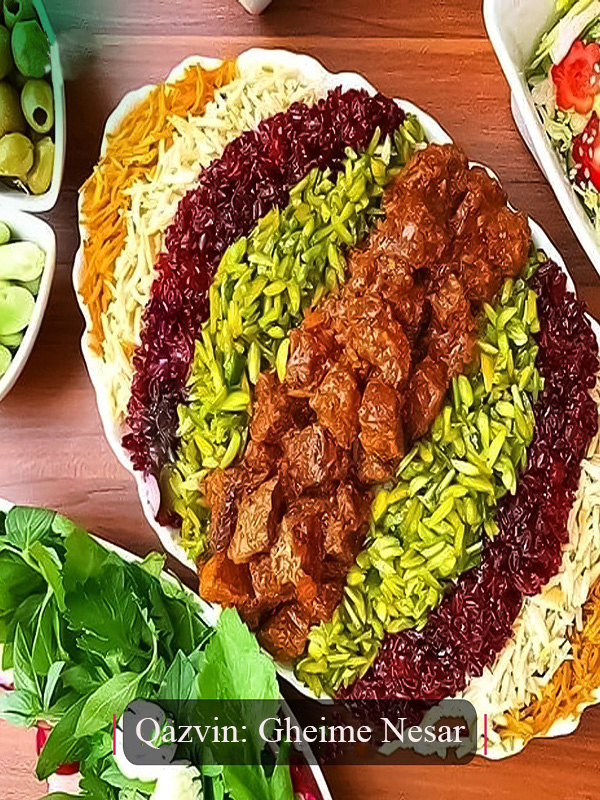
Gheymeh Nesar: A formal and elegant dish featuring tender pieces of meat nestled in fluffy rice, beautifully garnished with a brilliant mix of barberries, pistachio, and almond slivers.
4.4- Isfahan: Art on a Plate
Beryani: Isfahan’s signature! A rich, savory, and fatty blend of minced lamb served over fresh bread. (Local tip: It is quite heavy, so it is usually eaten for lunch, never dinner).
Khoresht Mast: A surprising sweet yogurt-based dessert/dish blended with incredibly fine shreds of lamb neck.
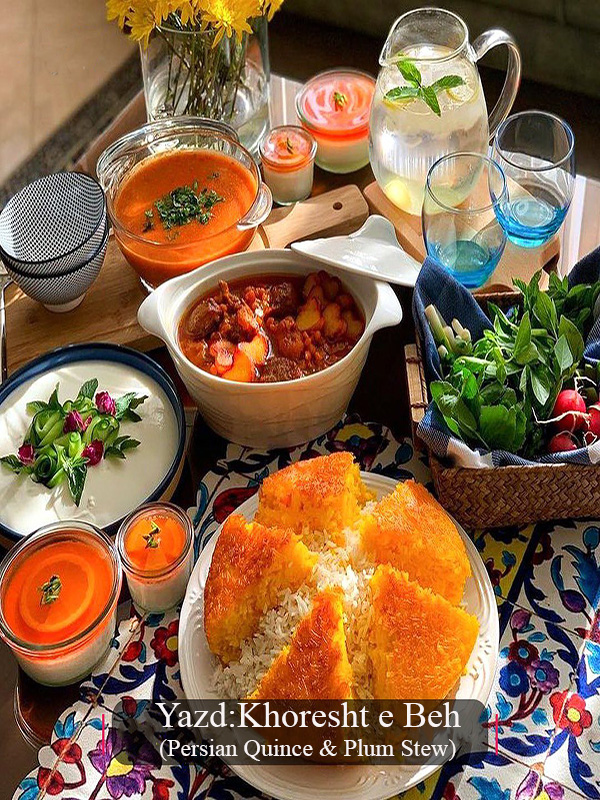
4.5- Yazd: Flavors of the Desert
Gheymeh Yazdi: A local version of Gheymeh stew that uses whole chickpeas instead of split peas, giving it a distinct texture and flavor.
Khoresht-e Beh: A fragrant, sweet-and-sour stew cooked with fresh quince, an unparalleled choice for autumn days.
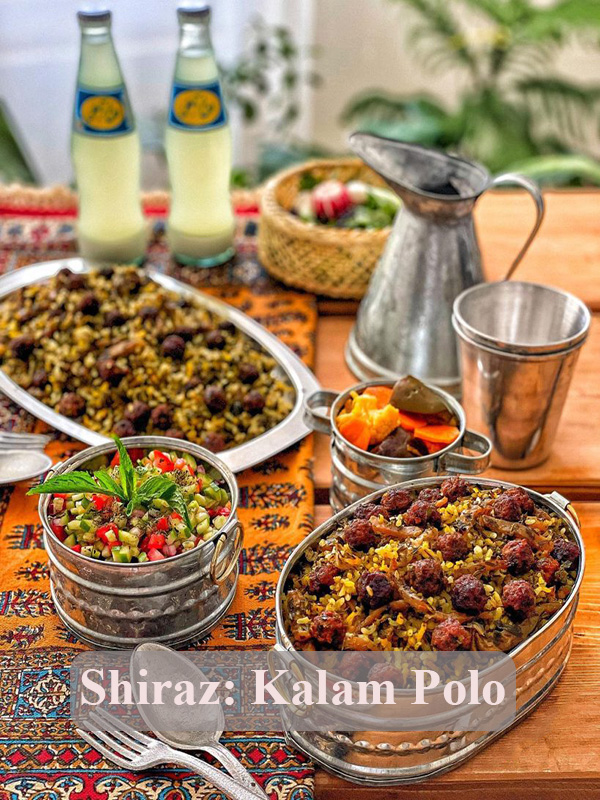
4.6- Shiraz: City of Poetry and History
Kalam Polo Shirazi: A highly aromatic rice dish cooked with local herbs and tiny meatballs.
Salad Shirazi (Vegan): A simple, infinitely refreshing side dish of finely chopped cucumbers, tomatoes, and onions, dressed with fresh sour orange juice.
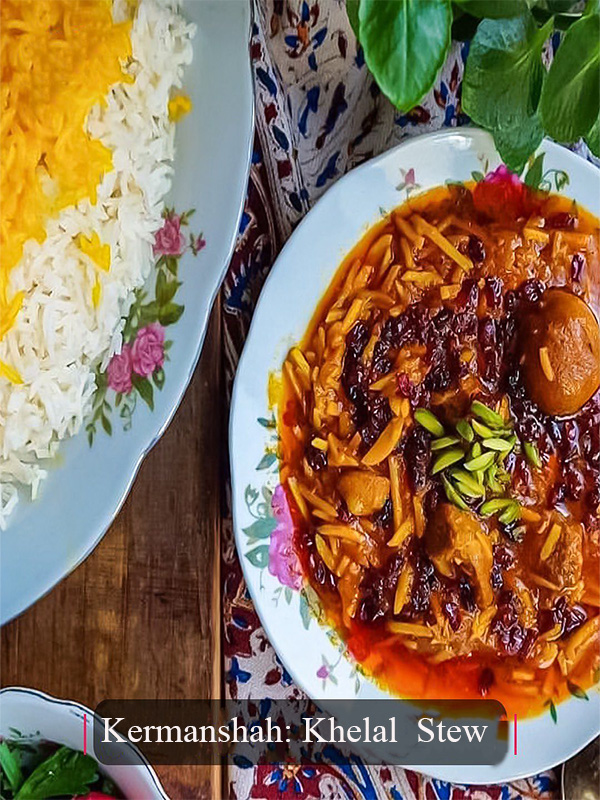
4.7- Kerman: Traditional Tastes
Boz Ghormeh: A creamy, savory stew made with slow-cooked meat, chickpeas, and Kashk, offering a deep, delicious flavor.
Kashk-e Bademjan (Vegetarian): Found nationwide but heavily favored in desert regions; a heavenly mix of fried eggplants, walnuts, and caramelized mint.
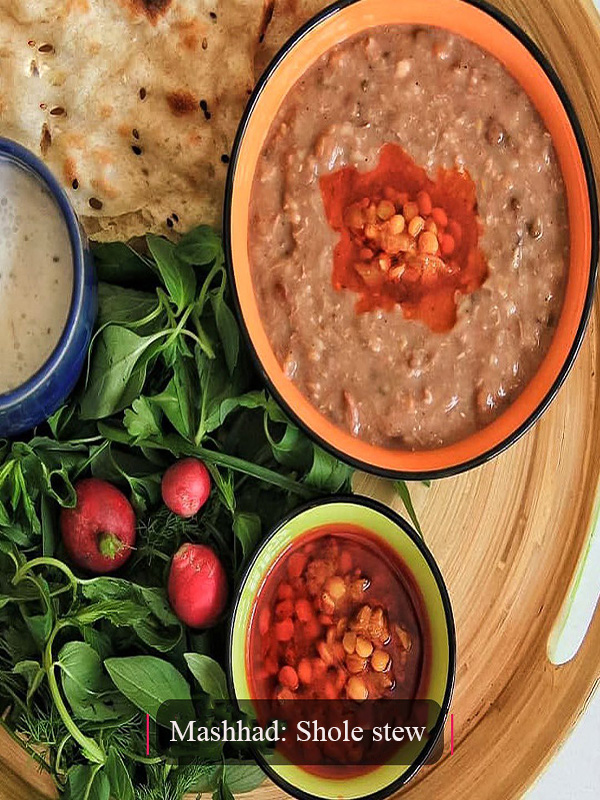
4.8- Mashhad: The Spiritual Hub with Hearty Meals
Sholeh Mashhadi: A thick, highly nutritious, slow-cooked porridge made from a mix of legumes and abundant meat, bursting with unique spices.

4.9- Flavors of the Coasts and Borders
Ghalieh Mahi: The shining star of southern Iranian cuisine, a spicy and sour fish stew masterfully prepared with fresh herbs, garlic, and tamarind.
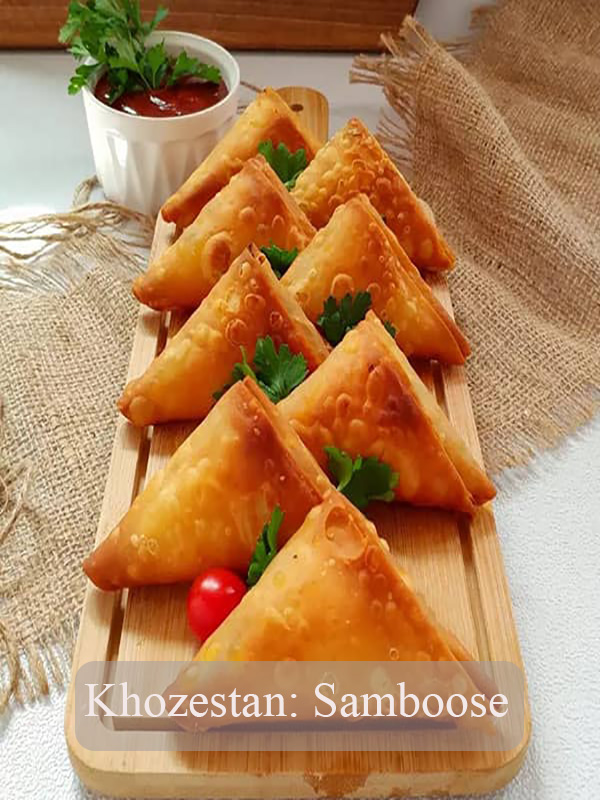
5- Khuzestan Street Food (Spicy & Vegan-friendly): In the southwest, the food gets noticeably spicier. Do not miss the local street food, especially the crispy Falafels and spicy Samosas—excellent choices for vegans who love exciting flavors!
Conclusion
Your delicious journey in Iran has just begun. In every city you visit, be adventurous and ask for local specialties. You will soon realize that the beating heart of Iran can be found in its incredible food and the warm hospitality of its people.
If you want to dive deeper into this tasty world, contact us to taste the real essence of the country and create memories that will last a lifetime.
6- Frequently Asked Questions
1: As a vegetarian or vegan, will I find suitable food in Iran? Absolutely! You can enjoy dishes like Baghali Ghatogh (without eggs) or southern falafels. Even the famous Ash Reshteh becomes a 100%100% vegan soup by omitting the whey (Kashk).
2: Is Persian food heavily spiced or hot? Not at all! Persian food is famous for its mild, aromatic flavors and slow-cooked harmony using saffron. However, if you love heat, the southern regions like Khuzestan offer exciting, spicy foods.
3: What is the traditional drink I should have with my meal? You must try Doogh, a savory and minty yogurt drink that pairs perfectly with kebabs. Afterward, a freshly brewed cup of Persian black tea is absolutely essential.
4: What is the most unique cultural dining experience in Iran? Abgoosht (or Dizi) is a unique ritual! You first eat the rich broth with torn bread, then mash the remaining meat and chickpeas into a delicious paste to enjoy.
5: What kind of bread is served in Iran? Fresh bread is an everyday staple, with popular varieties like Sangak (baked on hot stones), Barbari, Lavash, and Taftoon. They pair beautifully with any Persian kebab or stew.
- Details
- Category: IRAN Blog